A project pays at the end of the month, while rent is due near the start. The monthly total looks fine, but the money arrives after it is needed. With irregular income, a view of dates can be more useful than a single monthly result.
Separate confirmed money from expected money
Start with the balance available for bills and the dates of committed expenses. Do not include money that is unavailable or already reserved for another purpose. Mark expected payments separately from money already received.
For each project, note the amount, expected payment date and how firmly that date is confirmed. A promise to pay and a payment reaching your account are different events. If payment depends on approval of your work, record that too.
Spread the month across weeks
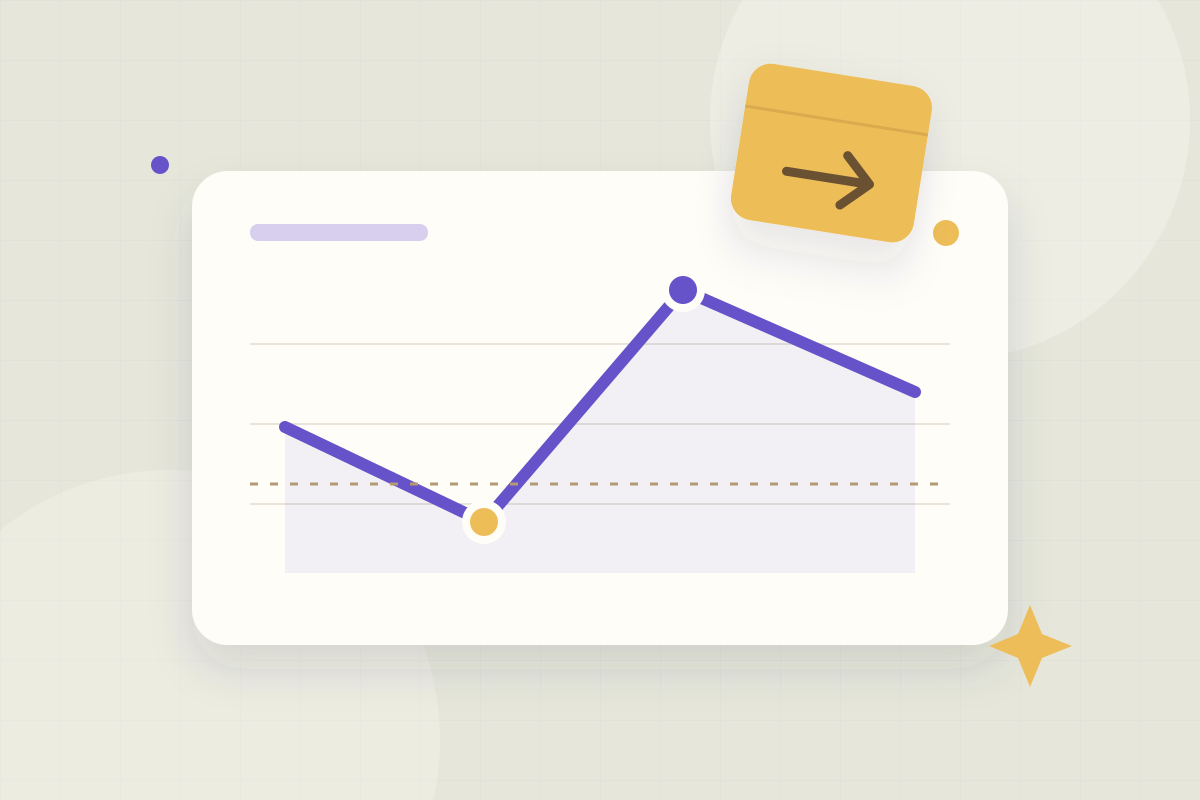
Our example starts with $600, spends $400 each week and receives one $1,600 payment. The closing balance after four weeks is $600 regardless of the payment week. But if the money arrives in week three, week two ends at −$200.
Does the money arrive in time?
Amounts in US dollars
- Week 1: $200.00
- Week 2: -$200.00
- Week 3: $1,000.00
- Week 4: $600.00
Income arrives at the start of the chosen week, before expenses. Gaps within a week are not shown.
An illustrative example. Your changes stay on this page and are not saved.
Open calculatorThe model receives income at the start of the selected week, then pays expenses. In practice, exact days matter: a Monday bill and Friday payment can create a gap within one week. The chart is not a replacement for a daily bill calendar.
Find the lowest balance first
A negative number is an unresolved part of the plan, not a suggestion to borrow. Before the due date, check available options: confirm a payment date, discuss whether a bill date can change, or postpone a discretionary purchase. None of those outcomes is guaranteed.
Do not move a committed due date in your plan before a new arrangement is confirmed. Keep an expected-payment scenario and a delayed-payment scenario. The difference shows how much depends on timing.
Build from your own situation
Money for gaps between payments and money for unexpected events serve different purposes. Begin with your own record of income and commitments. A universal number of months cannot tell you exactly when you will need cash.
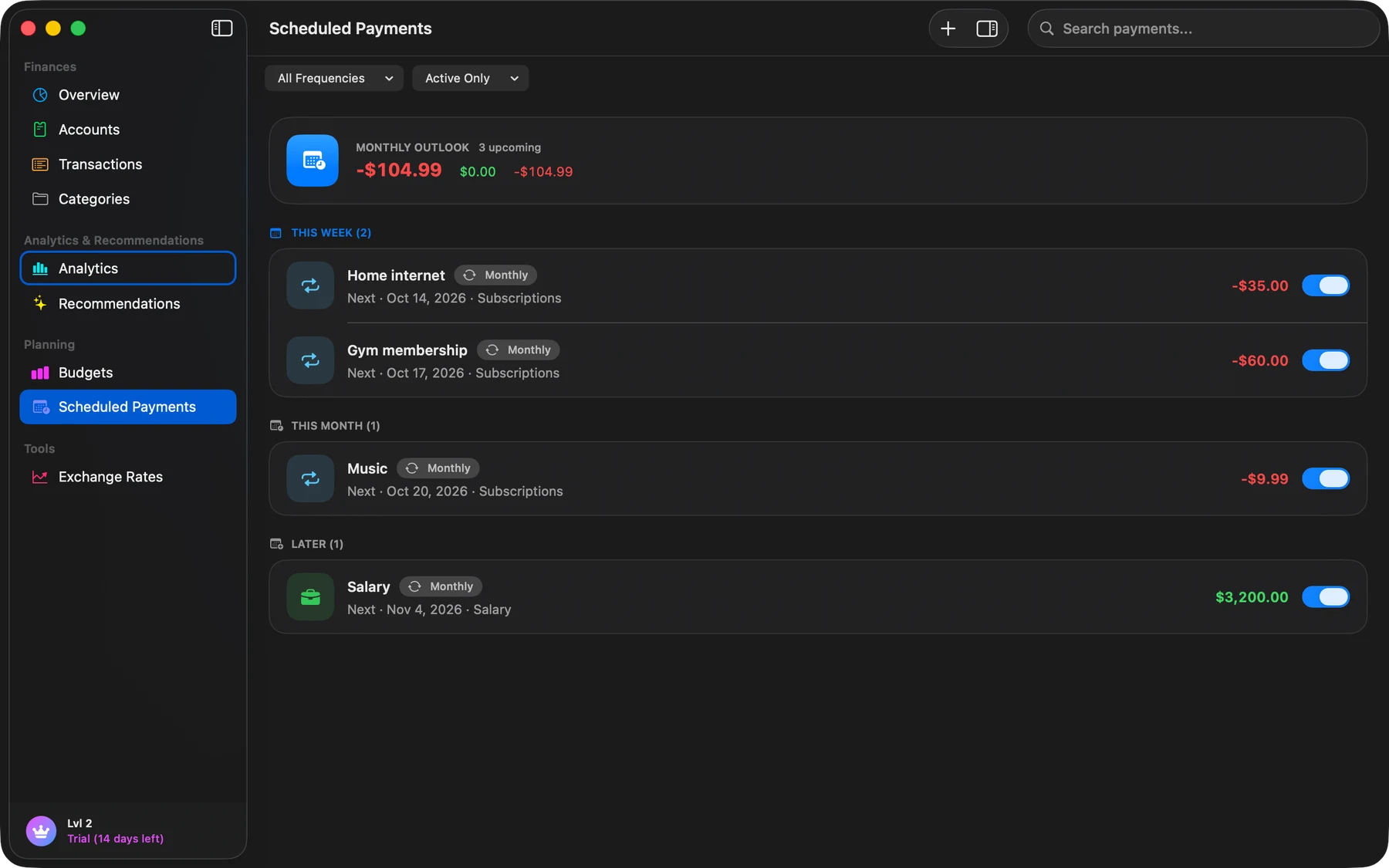
Finik can record income and expenses, display analytics and help plan future payments. Keep client agreements and your assessment of payment timing in your work process: the app cannot confirm a payment on a client’s behalf.
Check again next week
Reconcile the actual balance, update expected income and look at the next two weeks. If the plan repeatedly differs from reality, revisit its assumptions rather than adjusting only the final number.
CFPB: Creating a cash flow budget explains rolling weekly balances. The scenario and amounts above are our own illustration of that principle.